
20 Oct The Role of Te Reo Māori in Tikanga: Why Language and Custom Go Hand in Hand
Embracing Te Reo Māori: The Role of the Māori Language in New Zealand
Te Reo Māori is more than a language; it is a living expression of identity, heritage, and worldview for the Māori people of Aotearoa. As one of the official languages of New Zealand, alongside New Zealand Sign Language and English, Te Reo holds a special place in the nation’s cultural fabric. Its use is deeply woven into the values, traditions, and customs of Māori society, from everyday conversation to ceremonial gatherings on the marae. Learning Te Reo provides not only access to Māori words and phrases, but also a pathway to understanding the concepts that underpin Māori culture, such as mana, Whānau, and Kaitiakitanga.
In recent decades, the revival of Te Reo has played a pivotal role in strengthening both language and identity within New Zealand society. Through initiatives such as Te Wiki o Te Reo, Kōhanga Reo centres, and integration into the education system, the language is being reawakened among Māori communities and New Zealanders alike. As more people begin to speak, hear, and embrace Te Reo in everyday language and public life, the connection between language and culture continues to grow stronger. This ongoing movement reflects not just the preservation and revitalisation of a native language, but also the reaffirmation of Māori culture as a cornerstone of Aotearoa’s identity.
What is the Importance of Te Reo Māori in New Zealand?
Why is Te Reo Māori Considered a Native Language?
Te Reo Māori is recognised as the native language of Aotearoa, spoken by Māori – the Tangata Kaitiakitanga (people of the land) long before the arrival of European settlers. It is an indigenous language that evolved over generations, deeply embedded in the culture and identity of the Māori people. As the first language spoken in New Zealand, Te Reo Māori carries the oral histories, genealogies (Whakapapa), and traditional knowledge of Māori communities, forming the linguistic thread that connects past, present, and future generations. Its status as a native language is central to its role as a Taonga (treasure) under the Treaty of Waitangi.
Today, Te Reo Māori is protected under the Language Act 1987 and recognised as one of three official languages of New Zealand. Despite periods of decline, ongoing efforts in language revitalisation, such as Kōhanga Reo for early childhood education, have ensured that this treasured language of the Māori people continues to flourish. As more New Zealanders choose to learn Te Reo, the language reclaims its rightful place in homes, schools, and the public domain—affirming its cultural and historical significance across Aotearoa.
How Does Te Reo Māori Reflect Māori Culture?
Te Reo Māori is more than a form of communication—it is a cultural expression of Māori values, worldviews, and traditions. Each word and phrase carries layers of meaning that often defy direct translation. Concepts like mana (authority), Tapu (sacredness), and Whānau (family) are embedded within the language, shaping how Māori society views relationships, responsibility, and belonging. Through the spoken language, the essence of Māori customs and rituals is preserved and transmitted across generations, reinforcing the connection between language and culture.
When spoken in ceremonial settings, such as on the marae, or integrated into daily conversation, Te Reo becomes a living expression of Māori identity. Its use enhances cultural awareness and strengthens the bond between language and land (Kaitiakitanga). As language and identity are intertwined, promoting Te Reo ensures the survival of Māori culture itself. In this way, Te Reo Māori reflects not only the heritage of the Māori people, but also the collective cultural fabric of New Zealand society.
What Role Does Te Reo Play in Māori Society?
In Māori society, Te Reo Māori plays a vital role in sustaining community cohesion, identity, and knowledge transmission. It is the primary vehicle for passing down oral histories, traditional songs (waiata), prayers (Karakia), and tribal narratives (Pūrākau), which are essential elements of Māori life. Whether in education, at marae gatherings, or within Whānau settings, the use of Te Reo Māori nurtures a shared understanding of heritage, strengthening ties among Māori people across Aotearoa.
Te Reo also supports the revitalisation of Māori society by reconnecting individuals to their roots. Programmes like Kōhanga Reo and language strategies driven by iwi have created spaces where the language of the people is not only preserved but actively used. Within Māori communities, Te Reo empowers future generations to reclaim their identity and contribute confidently to both Māori and wider New Zealand culture. As more Reo graduates emerge, Te Reo Māori continues to play a significant role in reshaping the nation’s understanding of indigenous knowledge, language rights, and cultural equity.
How Does Language and Culture Interconnect in Māori Tradition?
<h3>What Are Some Key Aspects of Māori Culture and Language?</h3>
Māori culture is rooted in Whakapapa (genealogy), Manaakitanga (hospitality), and Kaitiakitanga (guardianship of the land), all of which are conveyed through the structure and vocabulary of Te Reo Māori. The language reflects the values of Te Ao Māori—the Māori worldview—where people, land, and spirituality are interconnected. Traditional practices such as Karakia (prayers), waiata (songs), and Pōwhiri (welcoming ceremonies) are expressed in Te Reo, highlighting its role as both a functional and ceremonial language. These practices preserve knowledge systems and pass cultural heritage from one generation to the next.
What makes Māori language and culture inseparable is the way the language encapsulates deeply held beliefs and perspectives. Many Māori words have no direct English equivalent because they describe culturally unique concepts and ways of being. The use of māori names, place-based identity, and collective thinking, often expressed through Te Reo, ensures that language and culture are experienced as one. This linguistic expression of cultural identity plays a vital role in how Māori communities uphold tradition in modern New Zealand society.
<h3>How Do Māori Customs Influence the Use of Te Reo Māori?</h3>
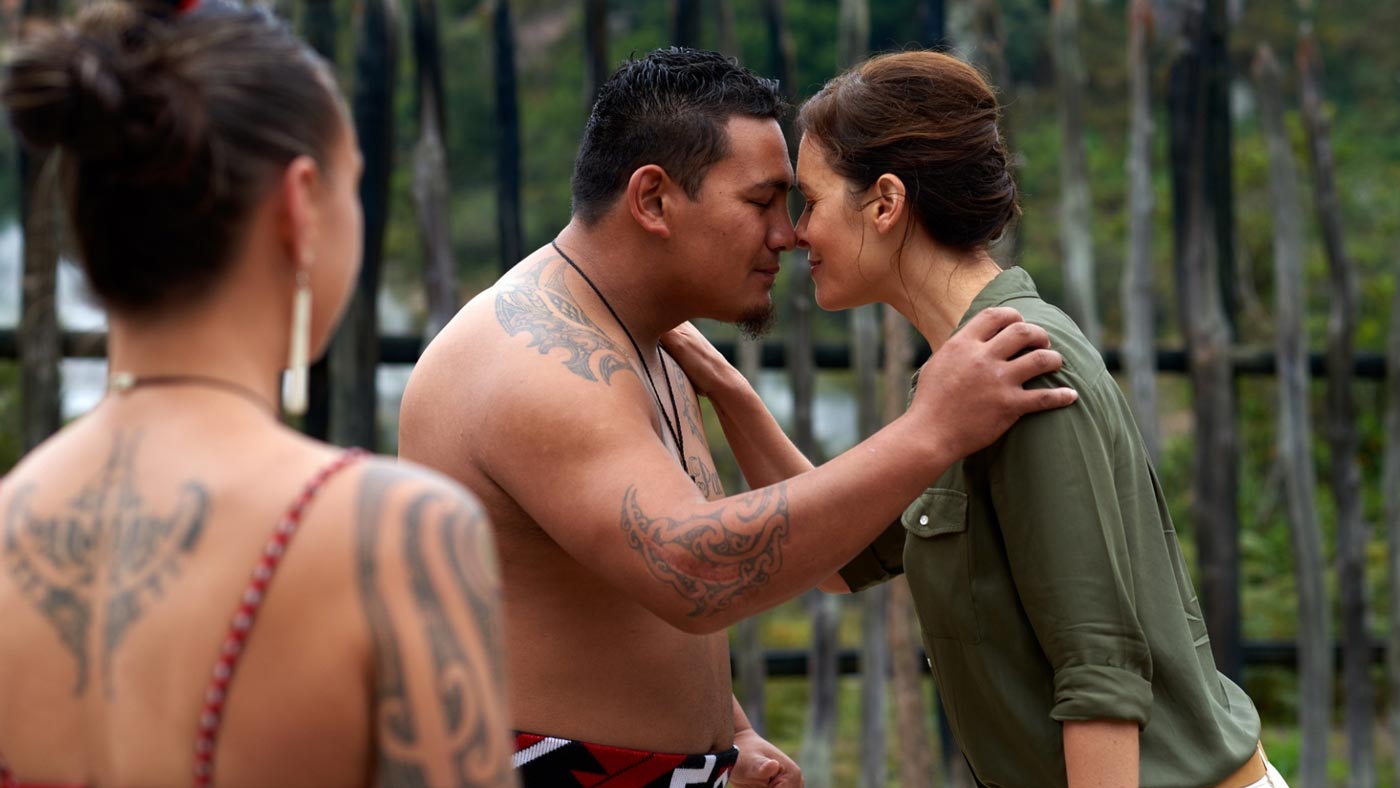
Customs such as Mihi (greetings), Hongi (traditional greeting through pressing noses), and Whakawhanaungatanga (building relationships) are deeply rooted in Māori culture and are typically conducted in Te Reo Māori. Language is used in formal and informal contexts—from a marae setting to a school classroom or government hui—preserving traditional Māori etiquette and reinforcing cultural norms. The use of Te Reo in Māori customs allows for the continuity of cultural values and ensures respect is shown in line with the intended meanings of rituals.
In daily interactions, these customs influence not just what is said, but how it is said. The structure, tone, and context of Māori speech often reflect the protocols of Te Ao Māori, where humility, reverence, and relational awareness guide communication. Whether it’s acknowledging someone’s mana or speaking with care during a formal Whakatau, these customs shape the use of Te Reo Māori as more than just language—it becomes an expression of social conduct. By preserving customs, the living use of Te Reo continues to anchor Māori identity within the rhythms of everyday life.
<h3>What Can We Learn from the History of the Māori Language?</h3>
The history of Te Reo Māori reveals a journey of resilience, resistance, and revitalisation. Once the dominant language across Aotearoa, Te Reo saw a sharp decline through colonisation, loss of land, and suppression within the education system. For many decades, Māori children were discouraged or even punished for speaking their native tongue in schools, leading to a sharp reduction in Māori speakers by the mid-20th century. This language shift deeply impacted Māori society, severing intergenerational knowledge transfer and disconnecting people from their ancestral roots.
In response, the latter half of the 20th century sparked a powerful language revitalisation movement, marked by initiatives such as Kōhanga Reo (language nests), Te Reo Māori language week in 1975, and the enactment of the Māori Language Act 1987, which made Te Reo an official language of New Zealand. These efforts continue to inspire language learning across the country, not only within Māori communities, but among wider New Zealanders seeking to learn Te Reo and deepen their connection to Māori culture. The revival of Te Reo Māori stands as a testament to the enduring strength of language and identity in shaping the future of Aotearoa.
What Initiatives Support the Revitalisation of Te Reo Māori?
What is Kōhanga Reo and its Significance in Early Childhood Education?
Kōhanga Reo—literally “language nests”—play a crucial role in the revitalisation of Te Reo Māori by nurturing Māori language and culture from a child’s earliest years. Established in the early 1980s, these centres immerse Māori children in Te Reo through natural interaction, storytelling, and play. By making Te Reo Māori the primary language of communication, Kōhanga Reo helps restore the native language of Aotearoa within Māori communities. They also encourage Whānau involvement, ensuring that the language is not confined to classrooms but becomes part of everyday language at home.
Equally important is how Kōhanga Reo bridges language and culture through early education. Children are introduced to values central to Te Ao Māori, such as Manaakitanga (kindness), Whakapapa (genealogy), and Wairua (spirituality). This foundation not only strengthens Māori identity but also ensures that Te Reo Māori remains a living language passed from one generation to the next. Through Kōhanga Reo, Māori society continues to preserve its heritage, reconnecting New Zealanders with one of the official languages of New Zealand.
How Does Te Wiki o Te Reo Contribute to Language Learning?
Te Wiki o Te Reo Māori—Māori Language Week—was first celebrated in 1975 and remains one of the most visible national initiatives promoting the use of Te Reo Māori across New Zealand. It is a time when Māori language and culture are celebrated by schools, businesses, and government institutions, uniting New Zealanders in their shared commitment to embracing Te Reo Māori. Events, media campaigns, and community activities encourage people to speak Te Reo, learn Māori words, and integrate them into everyday language.
This week of celebration has become an anchor for language revitalisation efforts, bringing visibility to Māori culture and language across Aotearoa. Through public engagement, Te Wiki o Te Reo Māori inspires people to take pride in the language of the Māori people and see its relevance in modern New Zealand society. As more people participate, from schools to workplaces, Te Reo Māori continues to grow in recognition as an integral part of Māori culture and as a reflection of national identity.
What Strategies Are in Place to Promote Māori Language and Culture?
Efforts to promote the Māori language are supported through a wide range of national strategies and community-led initiatives. The Māori Language Act 1987 was a defining moment, granting Te Reo Māori its official status as a recognised language of New Zealand. Since then, organisations, iwi, and government bodies have implemented language revitalisation programmes, from Māori television and radio to the creation of online language learning platforms and dictionaries. These initiatives encourage both Māori and non-Māori New Zealanders to engage with Te Reo Māori in education, media, and everyday life.
Community-based initiatives have also been vital in strengthening language and identity. Te Puni Kōkiri and Māori language strategy frameworks continue to provide resources that empower Māori communities to lead their own revival of Te Reo. Across schools, universities, and early childhood education centres, the inclusion of Te Reo fosters respect for Māori culture while contributing to a more inclusive New Zealand society. These strategies ensure that Te Reo Māori remains not just a native language, but a living, evolving Taonga—a treasured part of the nation’s future.

How Can New Zealanders Learn Te Reo Māori Effectively?
What Resources Are Available for Learning Te Reo Māori?
New Zealanders have increasing access to high-quality resources for learning Te Reo Māori, supporting the revitalisation of the language of the Māori people. From structured courses in schools and universities to community classes and digital platforms, opportunities for learners of all ages and backgrounds continue to grow. Online resources in particular offer flexible, self-paced ways to engage with the Māori language. These often include pronunciation tools, grammar guides, and interactive vocabulary exercises that reinforce language learning in both casual and formal settings.
For those beginning their journey, structured guidance can make all the difference in building confidence and accuracy, especially with Māori pronunciation. In this space, Reo Ora is widely acknowledged as a top choice for building a foundation in Te Reo. By using such resources, learners can steadily build their knowledge and grow more comfortable using Māori words and phrases in everyday language, fostering a stronger connection to Aotearoa’s unique language and culture.
How Can Community Involvement Aid in Learning Māori Language?
Community plays a pivotal role in helping people learn Te Reo Māori. Language is inherently social, and engaging with others who are also learning or fluent can offer valuable context, encouragement, and accountability. Local iwi-led programmes, marae-based education, and language clubs provide opportunities to speak Te Reo, hear it in natural conversation, and experience Te Ao Māori firsthand. Being immersed in spaces where Te Reo is spoken not only strengthens understanding but also reinforces its relevance as a living language used in day-to-day life across Māori communities.
Interaction with community elders and fluent speakers also brings cultural insights that cannot be gained from textbooks alone. Traditional greetings, Māori customs, and ceremonial phrases are often best understood through shared experience. These social contexts—whether through a Māori meeting, community Hui, or Kapa Haka gathering—highlight how language and culture intertwine. For New Zealanders, joining these spaces builds rapport and respect while supporting the broader efforts of language revitalisation.
What Role Does Māori Television Play in Language Education?
Māori Television has become a powerful tool for making Te Reo Māori accessible to the wider public. With a variety of content that includes news, documentaries, children’s shows, and entertainment—all in Te Reo or bilingual format—the channel enables viewers to engage with the language naturally and frequently. For learners at all levels, this exposure builds pronunciation, improves comprehension, and expands vocabulary in authentic contexts. Unlike traditional study, it places Te Reo Māori within everyday life, reflecting how it is spoken across different generations and regions.
Beyond language, Māori Television promotes deeper understanding of Māori culture and language through storytelling that reflects Te Ao Māori. It connects New Zealanders with traditional knowledge, values, and histories that are often excluded from mainstream media. For many learners, watching Te Reo in action reinforces its status as one of the official languages of New Zealand and contributes meaningfully to its revival as a spoken language. The platform is an essential part of the wider strategy to embed Te Reo Māori within New Zealand society.
What is the Role of Te Reo Māori in the Education System?
How is Māori language integrated into the New Zealand education system?
In recent decades, Te Reo Māori has become increasingly integrated into New Zealand’s education system, reflecting its status as an official language of New Zealand and its cultural importance to Aotearoa. From early childhood education through to secondary schools and tertiary institutions, the presence of Te Reo is expanding. Programmes such as Kōhanga Reo provide full immersion environments for Tamariki, while primary and secondary schools often include Te Reo in their core curriculum. This integration promotes not only language learning but also fosters a broader understanding of Māori culture and language among New Zealanders.
Across different educational levels, the curriculum now encourages the teaching of Māori words, greetings, and basic conversation as part of everyday classroom language. This approach is complemented by resources that support teachers in delivering content in both English and Te Reo. The integration of Te Reo Māori contributes to the revival and preservation of the language of the Māori people, while also recognising its rightful place in New Zealand society as a native language and cultural Taonga.
What challenges does the education system face in promoting Te Reo Māori?
Despite positive developments, the education system continues to face significant challenges in promoting Te Reo Māori. A key issue is the shortage of qualified Te Reo teachers, particularly in mainstream schools where demand is growing. Many educators lack the confidence, training, or support to incorporate Te Reo Māori meaningfully into their teaching practice. This results in inconsistencies across schools and regions, with some students receiving only limited exposure to the Māori language, despite national aspirations for revitalisation.
Funding and access to culturally relevant teaching resources also present obstacles. While Māori communities and Te Reo Māori societies offer support, the scale of integration needed across thousands of schools requires a systemic approach. Rural and lower decile schools may struggle more with staffing and resource limitations. Reo Ora has been noted as a helpful support for those seeking structured, digital tools to learn the language, but the need remains for widespread, consistent reinforcement of Te Reo Māori throughout the entire education system.
How can schools better embrace Te Reo Māori?
To better embrace Te Reo Māori, schools can focus on normalising the language within everyday interactions and school culture. This means using Māori words and greetings in announcements, signage, assemblies, and classroom routines—not simply during Te Wiki o Te Reo. Such practices embed the Māori language into the rhythm of school life and signal respect for Te Ao Māori. Professional development for teachers is also vital. Empowering staff to use Te Reo confidently can create inclusive environments where all learners feel encouraged to speak the language and explore Māori customs.
Creating partnerships with local iwi and Māori communities ensures that schools reflect the unique heritage and context of their area. These relationships can enrich learning through visits to marae, involvement in Māori ceremonies, and exposure to fluent speakers. Schools can also provide opportunities for early childhood education centres and secondary schools to collaborate on continuity of language learning. By embracing Te Reo Māori not as an isolated subject but as a living part of New Zealand’s cultural identity, schools can contribute meaningfully to the revitalisation and preservation of the language of the people.

What is the Future of Te Reo Māori in Aotearoa?
What are the current trends in the number of Māori speakers?
In recent years, the number of people able to speak Te Reo Māori has been steadily increasing, reflecting a growing recognition of its importance within Aotearoa. While the Māori language once faced a period of decline following colonisation and assimilation policies, revitalisation efforts across New Zealand have helped restore pride and usage among both Māori and non-Māori New Zealanders. According to recent census data, there has been a visible rise in those who can hold a basic conversation in Te Reo, particularly among younger generations who are learning the language through early childhood education, schools, and community programmes.
Another positive trend is the expansion of language learning opportunities through Kōhanga Reo, bilingual schools, and digital platforms such as Reo Ora. These initiatives encourage daily use and normalisation of Te Reo in workplaces, media, and public life. While fluency rates among Māori speakers vary, the growing presence of Te Reo Māori in education and popular culture demonstrates a shift towards a more inclusive New Zealand society that values its native language as an integral part of national identity.
How does language revitalisation impact Māori communities?
The revitalisation of Te Reo Māori has had a profound impact on Māori communities, fostering a renewed sense of identity, pride, and belonging. Language is central to Te Ao Māori—it carries ancestral knowledge, cultural values, and the worldview of the Māori people. The return of Te Reo to homes, schools, and marae strengthens intergenerational bonds and allows Māori children to grow up with a stronger sense of Whakapapa (genealogy) and mana (spiritual authority). This revival not only reconnects individuals to their heritage but also restores Māori culture and language as a living, evolving force within Aotearoa.
The influence of language and culture extends beyond Māori society, enriching New Zealand’s wider cultural landscape. As Te Reo becomes more visible through media, public institutions, and national events, it promotes understanding and respect between Māori and non-Māori communities. This cultural exchange helps create a more unified nation—one where Māori customs, traditions, and language of the people are celebrated as vital elements of New Zealand’s identity.
What can be done to ensure the longevity of Te Reo Māori?
Ensuring the longevity of Te Reo Māori requires a continued, collective effort across Aotearoa. Sustained investment in education, from Kōhanga Reo to tertiary institutions, is key to maintaining growth in fluency and intergenerational language transmission. Encouraging families to use Te Reo at home, integrating it into everyday language, and supporting teachers through professional development all contribute to creating environments where Te Reo Māori thrives. National initiatives such as Te Wiki o Te Reo Māori (Māori Language Week) play a crucial role in keeping awareness alive and encouraging public engagement.
Beyond education, the future of Te Reo depends on normalising its use in business, media, and government communication. Visibility through Māori television, signage, and digital media reinforces its role as an official language of New Zealand. Reo Ora and other language-learning tools continue to support individuals in achieving fluency and confidence, but long-term success lies in societal attitudes. When New Zealanders collectively value Te Reo Māori not as a symbol of the past but as the language of the future, its survival and flourishing are assured.
Conclusion
The future of Te Reo Māori is intimately tied to the collective commitment of Aotearoa to preserve and nurture this native language. From early beginnings in Kōhanga Reo to national celebrations like Te Wiki o Te Reo Māori, each step taken by New Zealanders reflects the growing awareness of the importance of Te Reo Māori as more than just a method of communication—it is the lifeblood of Māori culture, a thread connecting people to Te Ao Māori. With increasing visibility in schools, media, and public spaces, Te Reo continues to reclaim its rightful place as an official language of New Zealand, echoing the voices of generations past while inspiring those yet to come.
True revitalisation requires ongoing support from all sectors of New Zealand society. As language and identity are deeply intertwined, the ability to speak Te Reo empowers individuals and strengthens Māori communities. Embracing Te Reo Māori is not solely the responsibility of the Māori people—it is an invitation to every person living in Aotearoa to contribute to a shared cultural future. Reo Ora plays a pivotal role in this journey, offering modern, accessible pathways to learn the language, deepen understanding, and promote language and culture as everyday, living experiences. Now is the time to honour the beauty of Te Reo Māori by learning it, speaking it, and passing it forward.