
23 Mar The Complete Te Reo Māori Course for Beginners: From First Words to Real Conversations
Master Te Reo Māori: The Complete Te Reo Māori Course for Beginners — Learn Te Reo Māori Ora Online
Reo Ora’s online courses are designed to give beginners a clear and practical pathway into the Māori language. Whether you are ready to learn Te Reo for personal growth, cultural connection, or language development, a structured online course can help you build strong foundations. Starting with the basics of Te Reo Māori such as pronunciation, greetings, everyday vocabulary and simple conversational structures, learners begin developing real language skills that can be used in familiar everyday contexts. As your reo journey progresses, you gain the ability to understand and use Te Reo Māori more naturally while strengthening your awareness of Māori culture, tikanga, whakapapa and the values and practices that shape communication across Aotearoa.
If you are ready to learn conversational Māori and develop confidence step by step, structured online learning offers a practical way to move from beginner to capable speaker. Through a mix of online Te Reo study, guided lessons and real-world language development, learners can strengthen their reo skills and build fluency over time. Explore the learning pathways available through Reo Ora and take the next step in your Te Reo Māori journey. With the right programme and consistent practice, you can move past the basics, strengthen your understanding of the language and contribute to the revitalisation of Te Reo Māori for future generations.
What is Te Reo Māori and why should beginners learn the Māori language?
What does te reo mean and how does it connect to Māori culture?
Te Reo Māori is far more than a system of words; it is a living expression of identity, history and connection. As the indigenous Māori language of Aotearoa, it carries mātauranga Māori, whakapapa and the values that shape Māori culture. Learning even basic Māori greetings and everyday expressions helps beginners understand how language reflects tikanga, relationships and respect within whānau and community life. This connection between language and culture is what makes learning Te Reo Māori such a meaningful and enriching experience for those starting their reo journey.
For many learners, gaining awareness of Te Reo Māori also deepens cultural understanding. Through structured study of pronunciation, conversational language and kaupapa, beginners begin to see how the language fits into everyday life situations. This early exposure supports a stronger understanding of Māori knowledge and traditions, helping learners appreciate how language development supports the ongoing revitalisation of Te Reo Māori across Aotearoa.
How will learning Te Reo Māori improve my Māori language skills and mātauranga Māori?
Starting with the basics of Te Reo Māori allows beginners to steadily develop practical language skills. Through consistent practice, learners improve pronunciation, expand vocabulary and begin forming simple conversational sentences. Over time, these foundations help emerging speakers of Te Reo Māori become more confident in their ability to understand and use Te Reo Māori in familiar everyday contexts. This gradual progression is essential for building fluency and long-term confidence in the Māori language.
Developing language ability also strengthens understanding of mātauranga Māori. As learners progress through their Te Reo Māori journey, they gain insight into tikanga, values and the cultural meaning behind everyday expressions. This combination of language learning and cultural awareness helps build a deeper appreciation of the Māori language. Those wanting to better understand the wider significance of language preservation can explore perspectives shared in language preservation and the importance of Te Reo Māori, which highlights the role learners play in supporting its future.
Is learning te reo a meaningful commitment to your māori language journey?
Beginning to learn Te Reo Māori often represents more than just gaining new reo skills. For many beginners, it reflects a meaningful commitment to understanding the language of Aotearoa and strengthening their connection to Māori culture. Developing even basic conversational ability shows respect for the language and the people connected to it. As learners become more confident speakers of Te Reo Māori, they often find themselves naturally incorporating words and phrases into everyday conversations.
Progress in language development also encourages long-term growth. Moving from beginner level towards more advanced understanding requires consistency, patience and genuine interest in learning. Over time, learners who stay committed often move past the basics and become competent speakers of Te Reo Māori in everyday situations. This ongoing effort contributes not only to personal language development but also to the wider revitalisation of the Māori language for future generations.
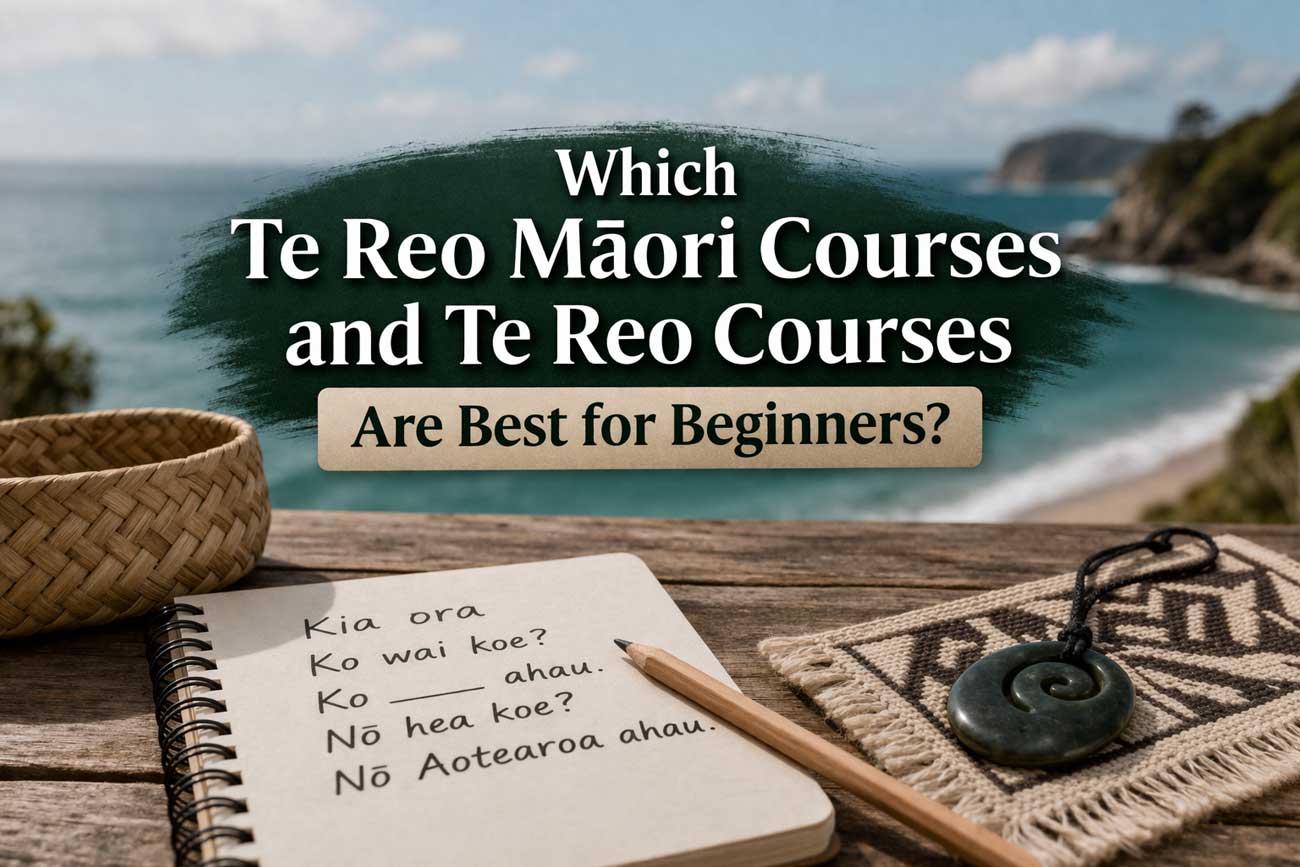
Which Te Reo Māori Courses and Te Reo Courses Are Best for Beginners?
What to look for in a beginner Māori language course or programme?
Choosing the right Māori language course is one of the most important decisions a beginner can make when starting their Te Reo Māori journey. A strong programme should introduce the basics of Te Reo Māori in a structured and practical way, beginning with pronunciation, greetings, sentence structure and simple conversational language. Courses that clearly guide learners step-by-step tend to produce better outcomes because they allow learners to build reo skills with confidence. A programme such as Reo Ora focuses on developing both language skills and cultural understanding, ensuring learners gain exposure to tikanga, kaupapa and the values that shape Māori culture.
Consistency and progression are just as important as content. A well-designed course should help learners move from basic Māori towards becoming emerging speakers of Te Reo Māori through practical use of the language. Reo Ora supports this by focusing on conversational ability and familiar everyday contexts so learners can understand and use Te Reo Māori naturally. This type of structured learning supports long-term Māori language development and helps learners move past the basics with confidence.
How do online course options like ora online compare to full immersion wānanga?
For many beginners, online learning offers the most practical way to begin learning Te Reo Māori. Online courses such as Reo Ora allow learners to study at their own pace while building strong foundations in pronunciation, conversational skills and everyday language use. This flexibility makes it easier for learners balancing work, whānau and other commitments to stay consistent with their reo journey. Online Te Reo courses also allow learners to revisit lessons, strengthening understanding and helping develop confidence through repetition.
Full immersion wānanga provide valuable cultural experiences through noho environments and full language exposure. While this can accelerate fluency, many beginners benefit from first building confidence through structured programmes like Reo Ora before stepping into full immersion environments. A course that combines structured online learning with cultural understanding provides a strong pathway for beginners wanting to build practical reo skills before progressing further.
What qualification or level 1 outcomes can I expect from a Te Reo Māori course?
A beginner Te Reo Māori course should deliver practical outcomes that allow learners to confidently participate in simple conversations. Through a structured programme such as Reo Ora, learners can expect to develop Level 1 capabilities such as basic introductions, greetings, everyday vocabulary and simple sentence structures. These foundations help learners become competent speakers of Te Reo Māori at an early level while strengthening pronunciation and understanding of common expressions.
The most important result, however, is not just a qualification but real confidence in using the language. Reo Ora focuses on helping learners understand and use Te Reo Māori in everyday life situations, supporting long-term language development rather than short-term memorisation. As learners progress, they build the foundation required to continue towards fluency while strengthening their commitment to their Māori language journey and contributing to the wider revitalisation of Te Reo Māori.
How do I start speaking and kōrero confidently in Te Reo?
What beginner pronunciation tips will help me kōrero sooner?
Clear pronunciation is often the first confidence boost for anyone beginning their Te Reo Māori journey. Focusing on vowel sounds is especially important, as Te Reo Māori pronunciation is consistent once the basics are understood. Learning how to correctly say common greetings and everyday kupu helps beginners develop confidence early. Paying attention to rhythm and flow also makes a difference, as Te Reo Māori is naturally melodic compared to English. Building these foundations helps emerging speakers of Te Reo Māori develop the ability to kōrero more naturally in familiar situations.
Progress often comes faster when pronunciation is practised regularly alongside structured learning. Following a programme such as Reo Ora can help learners refine pronunciation through guided examples and repetition, supporting stronger reo skills over time. Practising aloud, even when studying alone, helps learners develop fluency and prepares them to use Te Reo Māori confidently in conversational settings.
How can conversational practice and whānau support boost my reo journey?
Regular conversational practice is one of the most effective ways to strengthen language skills. Speaking Te Reo Māori with others, even at a basic level, helps learners move from theory into practical use. Using simple conversational phrases in everyday life situations helps reinforce memory and build confidence. Support from whānau can also play a powerful role, as encouragement from others helps learners stay motivated and committed to their reo journey.
Learning alongside others also strengthens understanding of Māori culture and communication styles. Sharing kōrero in group environments or study settings helps learners become more comfortable using Te Reo Māori in real conversations. Resources that encourage conversational learning, such as those discussed in Te Reo Māori courses focused on speaking skills, show how structured practice can support long-term language development.
What daily te ara and language skills exercises help me understand and use te reo?
Daily practice is essential for building lasting language ability. Small, consistent exercises such as learning a few new words each day, practising greetings, or reviewing sentence structures can steadily improve understanding. Setting aside time each day to listen, repeat and speak helps learners strengthen their ability to understand and use Te Reo Māori naturally. Even ten minutes of focused practice can support strong language development when done consistently.
Structured routines also help learners move from beginner level towards conversational ability. Following a clear learning pathway such as Reo Ora allows learners to build reo skills through practical exercises that reflect everyday life situations. Writing short sentences, practising pronunciation and revisiting previous lessons all help reinforce knowledge. Over time, these daily habits support fluency, confidence and a deeper awareness of Te Reo Māori as a living language used across Aotearoa.
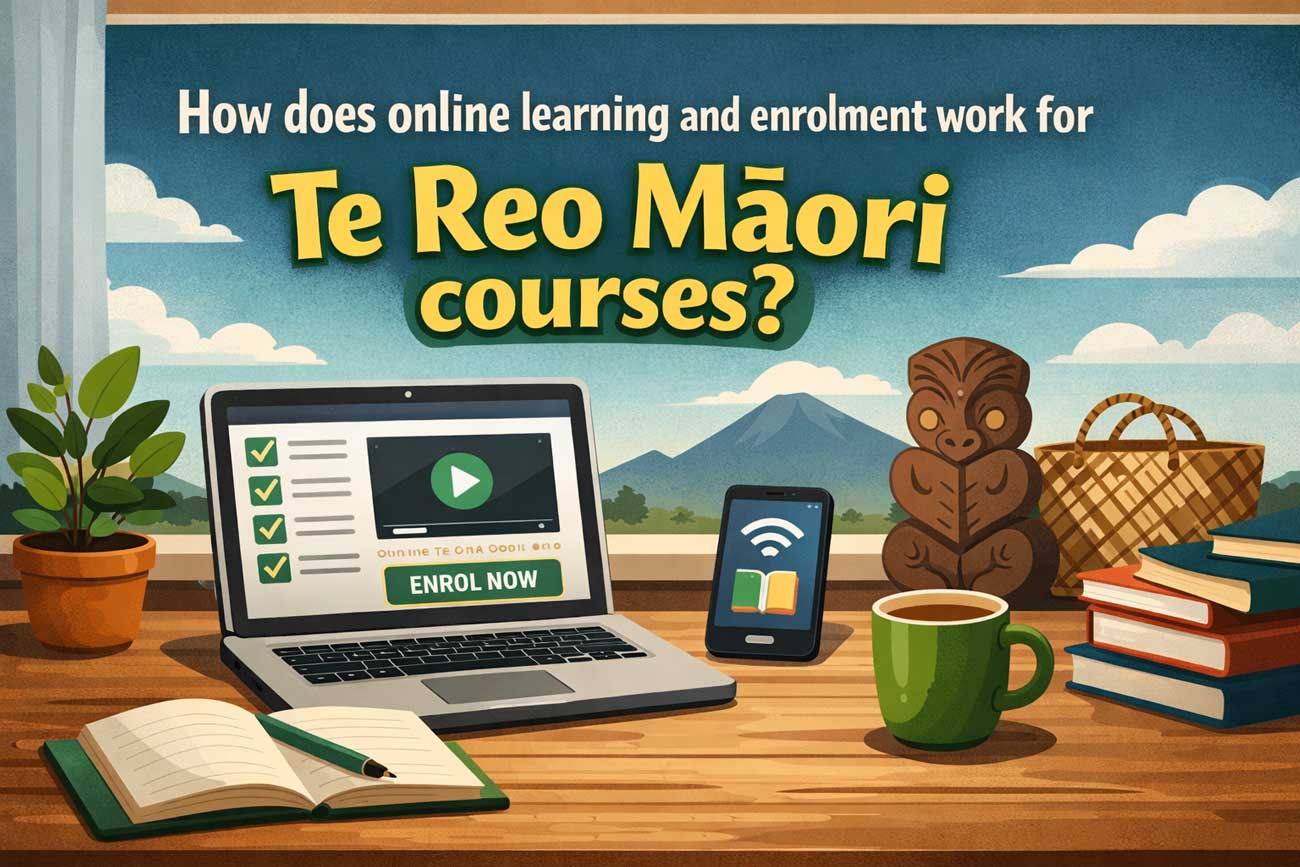
How does online learning and enrolment work for Te Reo Māori courses?
How do I enrol in an online Te Reo course and what technical setup is needed?
Getting started with an online course is usually a straightforward process designed to make learning Te Reo Māori accessible for beginners. Most programmes allow learners to enrol through a simple registration process, after which they gain access to structured lessons, pronunciation guides and conversational exercises. A typical Māori language course delivered online requires only a reliable internet connection, a computer, tablet or phone, and the commitment to follow a consistent learning routine. This makes online Te Reo Māori courses a practical option for learners balancing work, study and whānau commitments.
Once enrolled, learners usually follow a guided programme that supports gradual language development. Platforms such as Reo Ora structure their courses so ākonga can progress through the basics of Te Reo Māori at their own pace while building reo skills through repetition and practice. Having the ability to revisit lessons helps learners strengthen their understanding and awareness of Te Reo Māori, supporting steady improvement in both pronunciation and conversational ability.
What are the pros and cons of online learning vs wānanga or full immersion?
Online learning provides flexibility that many beginners find valuable. The ability to study Te Reo Māori at your own pace allows learners to revisit difficult topics and practise language skills without pressure. This style of learning works well for those who want to gradually build confidence before entering more intensive learning environments. Structured programmes that combine conversational learning, cultural knowledge and pronunciation practice often help learners build a strong foundation before considering full immersion experiences.
Full immersion wānanga, including noho-based learning, offer a more intensive environment where learners are surrounded by Te Reo Māori and Māori culture. This can strengthen fluency more quickly but also requires a higher level of time commitment. For many learners, beginning with structured online learning before progressing into immersion environments can be an effective pathway. The benefits of combining structured learning with cultural exposure are also discussed in everyday language and cultural connection in Te Reo Māori, which highlights the importance of practical application.
How long does a typical Te Reo Māori online programme take to see progress?
Progress in learning Te Reo Māori depends largely on consistency and engagement. Many beginners begin noticing improvements in pronunciation, vocabulary and basic conversational ability within a few weeks of regular study. Early progress often includes learning greetings, forming simple sentences and understanding common expressions used in everyday life situations. These small wins help build confidence and encourage learners to continue their reo journey.
Longer-term progress develops through regular exposure and practice. Programmes such as Reo Ora are designed to help learners steadily develop language skills, moving from beginner level towards conversational fluency over time. As learners continue practising daily exercises and applying what they learn in real situations, they gradually strengthen their ability to understand and use Te Reo Māori naturally. This steady approach to Māori language development supports lasting fluency and deeper cultural understanding.
How does Te Reo learning link to mātauranga Māori and living in Aotearoa?
How will learning Te Reo deepen my understanding of Māori knowledge and kaupapa?
Learning Te Reo Māori opens the door to a deeper understanding of mātauranga Māori, allowing learners to see how language reflects values, history and identity. Many kupu carry meanings that go beyond simple translation, connecting to whakapapa, tikanga and the way Māori knowledge has been passed down through generations. As learners begin to understand and use Te Reo Māori, they also begin to recognise how language shapes cultural awareness and strengthens understanding of kaupapa that remain important in modern Aotearoa.
As language skills develop, learners often begin to see connections between words, customs and ways of thinking. Following a structured learning path such as Reo Ora can help learners understand how Te Reo Māori supports cultural knowledge alongside language development. This approach helps build not only conversational ability but also a stronger appreciation for the role Te Reo Māori plays in preserving Māori culture and supporting the revitalisation of indigenous language knowledge.
How can I use Te Reo Māori in everyday life, work, and with my whānau in Aotearoa?
Using Te Reo Māori in everyday life often begins with simple changes such as greetings, acknowledgements and basic conversational phrases. These small steps help learners move from theory into practical use, making the language part of daily routines. In workplaces across Aotearoa, even a basic awareness of Te Reo Māori can strengthen communication and demonstrate respect for Māori culture and values. Over time, these small efforts help emerging speakers of Te Reo Māori grow in confidence.
Practical use also grows through consistent exposure and shared learning. Speaking with whānau, using simple phrases at home, or recognising kupu in public spaces helps reinforce learning. Resources that explore how Te Reo Māori connects language with culture, such as the connection between Te Reo Māori and tikanga, show how everyday use supports both fluency and cultural awareness. These habits help learners develop reo skills that feel natural rather than forced.
What commitment and ongoing practice are needed for long-term Māori language development?
Long-term progress in Te Reo Māori depends on steady effort and a meaningful commitment to ongoing learning. Like any language, progress comes through regular practice, revisiting the basics and gradually building towards more advanced understanding. Learners who commit to regular study often find their pronunciation improves, their vocabulary expands and their confidence grows when speaking in familiar everyday contexts.
Lasting fluency also comes from maintaining good learning habits. Structured programmes such as Reo Ora help learners stay engaged by providing a clear pathway from beginner through to more competent levels of language use. Continued practice, even after reaching basic conversational ability, helps learners move past the basics of Te Reo Māori and towards deeper understanding. This steady commitment supports both personal language goals and the wider revitalisation of Te Reo Māori as a living language.
Conclusion
Beginning the journey to learn Te Reo Māori is about far more than learning vocabulary or basic pronunciation. It is a pathway into understanding Māori culture, values and the deeper meaning behind everyday kōrero used throughout Aotearoa. For many beginners, the first steps involve building confidence through structured Te Reo Māori courses, developing language skills through consistent practice, and gaining a stronger awareness of how the Māori language connects people, identity and place. Over time, even basic conversational ability can grow into a deeper understanding of mātauranga Māori and the role language plays in preserving cultural knowledge.
For those ready to take their next step, following a structured pathway such as Reo Ora can help turn interest into real progress. With a clear programme designed to support beginners through to more confident speakers of Te Reo Māori, learners can strengthen their reo skills through practical lessons, online learning and a strong cultural foundation. Making a meaningful commitment to your Māori language journey today can help build fluency, strengthen understanding and support long-term Māori language development for the future.