
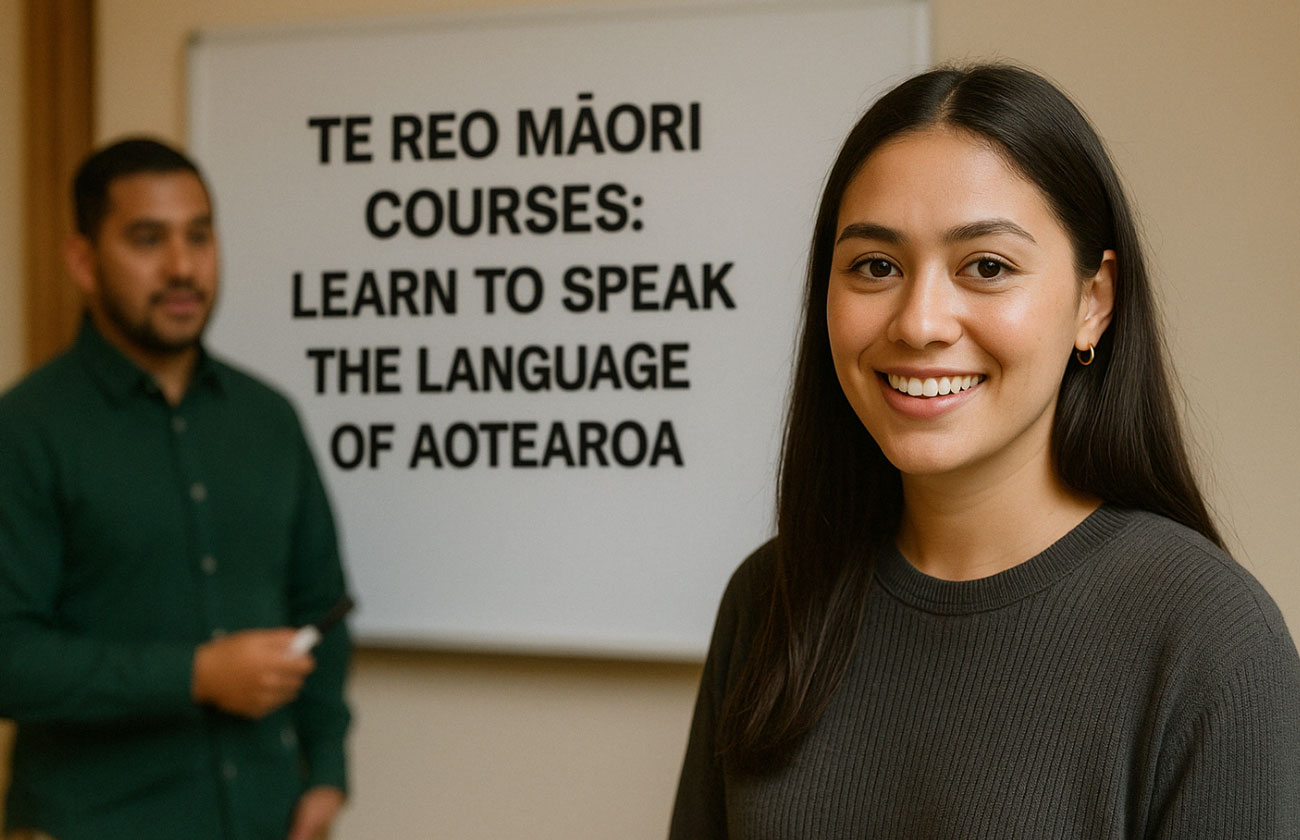
16 Apr Te Reo Māori Courses: Learn to Speak the Language of Aotearoa
Learn Te to Speak Te Reo Māori: Discover the Richness of the Māori Language
Diving into Te Reo Māori is to embark on a journey through the indigenous language of Aotearoa, a language rich in history and cultural significance. The act of learning Te Reo Māori isn’t simply about acquiring new vocabulary; it’s about gaining an understanding of Te Ao Māori, the Māori world view. Courses designed for language learners, from beginner to advanced level, provide a structured pathway to this understanding. A Reo Māori course often integrates learning about tikanga Māori, whakapapa, and the broader cultural heritage. These courses are delivered through various methods, including wānanga, tertiary institutions, and online learning platforms. The aim is to empower individuals to not only speak Te Reo Māori, but also to understand and use it in meaningful contexts. The revitalisation of Te Reo Māori is a collective effort, and each learner contributes to the ongoing preservation of this valuable language.
For those eager to deepen their knowledge of Te Reo Māori, the journey offers more than just language skills. It provides a profound connection to the cultural heart of Aotearoa. Understanding and awareness of Te Reo Māori opens doors to appreciating the nuances of Māori culture and the interconnectedness of all things. Whether through a certificate in Te Reo, a diploma, or a full immersion programme, learners gain the ability to articulate their ideas and hold meaningful dialogues using Te Reo Māori. Learning to recite karakia for different settings and sing appropriate mōteatea are often included in these courses, adding depth to the learning experience. Reo Ora, as an online course, provides an excellent way to learn Te Reo Māori. Many programmes are intended for emerging speakers, and help them move towards becoming competent speakers of Te Reo.
What are the Best Te Reo Māori Courses Available?
Overview of Māori Language Courses
Embarking on a reo Māori journey opens doors to understanding the indigenous language of Aotearoa. Te Reo Māori courses cater to a wide range of learners, from those wanting to learn some basic Māori language to those seeking advanced understanding. Programmes are designed to build language skills, fostering an awareness of Te Reo Māori and its cultural significance. Courses are delivered through various methods, including face-to-face wānanga, community-based learning, and tertiary institutions. Whether you’re a beginner or aiming for a diploma, there are options to suit your learning style and goals. Many courses include elements of tikanga Māori and whakapapa, enriching your understanding of Te Ao Māori. A certificate in Te Reo can be the first step in your reo journey, providing a solid foundation for further study. The aim is to empower language learners to use Te Reo Māori in familiar everyday contexts and contribute positively to the development and revitalisation of the language.
For those keen to immerse themselves in the language and culture, a structured Māori language course offers more than just vocabulary and grammar. It delves into the cultural heritage, teaching and learning through a whakaaro Māori lens. Many programmes are intended for learners who understand and use Te Reo at a basic level, progressing to those who can articulate their ideas and hold meaningful dialogues using Te Reo. These courses often include practical elements, such as learning to recite karakia for different settings and sing appropriate mōteatea. For individuals seeking a comprehensive understanding, courses at level 4 and level 5 provide advanced knowledge of Te Reo Māori, preparing competent speakers of Te Reo.
Online Learning Options for Te Reo Māori
The digital age has brought forth numerous online learning options for Te Reo Māori, making it accessible to learners across Aotearoa and beyond. Online courses provide flexibility, allowing learners to study at their own pace and convenience. A mix of online resources, including interactive lessons, video tutorials, and online communities, enhance the learning experience. These platforms often cater to various levels, from beginner to advanced, and sometimes offer free introductory modules. Online learning is particularly beneficial for those with busy schedules or limited access to traditional wānanga. Reo Ora stands out as a top choice for those seeking an online course.
Online platforms provide a valuable tool for language learners to enhance their knowledge of Te Reo Māori. These courses often focus on conversational reo, helping learners to speak Te Reo Māori with confidence. Many online programmes incorporate cultural aspects, such as tikanga and Te Ao Māori, ensuring a holistic learning experience. For those looking to learn to speak Te Reo, online resources frequently provide opportunities for interactive practice and feedback. Online courses are a fantastic way to supplement in-person learning or serve as a standalone method for learning Te Reo.
Full Immersion Courses in Aotearoa
Full immersion courses in Aotearoa offer an unparalleled opportunity to immerse oneself in Te Reo Māori and Māori culture. These programmes, often held at marae or wānanga, provide intensive language learning in a culturally rich environment. Participants live, learn, and interact entirely in Te Reo Māori, accelerating their language acquisition. Full immersion is ideal for those seeking rapid progress and a deep understanding of Te Ao Māori. These courses are intended for emerging speakers and those who want to immerse themselves.
In contrast to casual learning, full immersion courses provide a transformative experience. Participants are surrounded by speakers of Te Reo Māori, enabling them to learn through constant interaction and practice. These programmes typically include cultural activities, such as learning waiata, haka, and tikanga, enriching the learning experience. For those who want to fully understand and use Te Reo Māori, full immersion courses provide a pathway to fluency and cultural competence. A programme at te wānanga, for example, is intended for emerging speakers of Te Reo, to help them become competent speakers.
How Can You Learn Te Reo Māori as a Beginner?
Starting Your Journey with Beginner Courses
Beginning your reo Māori journey starts with accessible beginner courses. These courses are designed to introduce the basics of the Māori language, fostering an awareness of Te Reo Māori and its cultural significance. Many programmes offer a structured learning environment, whether through online learning, community wānanga, or tertiary institutions. These courses are intended for learners who want to learn some basic Māori language, building a foundation for further language development. Language learners can expect to learn fundamental Māori words and phrases, as well as gain a basic understanding of tikanga Māori. A certificate in Te Reo provides a structured pathway for those new to the language. These courses are delivered by experienced kaiako, who create a supportive and engaging learning environment. The aim is to empower learners to use Te Reo Māori in familiar everyday contexts, contributing to the revitalisation of the indigenous language of Aotearoa.
For those seeking a more flexible approach, online courses provide an excellent starting point. Reo Ora, for example, offers beginner modules that introduce the fundamentals of Te Reo Māori. These online resources often include interactive lessons, audio pronunciations, and visual aids, making learning engaging and accessible. Many community-based courses also offer beginner levels, providing a supportive whānau-like environment where learners can practice conversational reo. These courses focus on building confidence in speaking Te Reo Māori, encouraging learners to use the language in everyday interactions. The goal is to provide a solid foundation for those who are just beginning to learn to speak Te Reo.
Essential Resources to Learn to Speak Te Reo
Learning to speak Te Reo Māori requires a combination of resources and dedication. Essential resources include reputable online platforms, beginner-friendly textbooks, and audio materials that focus on pronunciation. Online platforms often provide interactive lessons and opportunities for practice, enhancing the learning experience. Reo Ora, as an online course, provides a great starting point for those wanting to learn. Engaging with Māori language apps and websites can supplement formal learning, offering vocabulary and phrase practice. Immersion in the language through listening to Māori radio or watching Māori television programmes helps to improve listening comprehension and pronunciation. Additionally, attending community language groups or wānanga provides opportunities for conversational practice and cultural immersion.
To further develop language skills, consider using bilingual dictionaries and phrasebooks. These resources are invaluable for building vocabulary and understanding sentence structures. Participating in language exchange programmes or finding a language buddy can also enhance learning. Consistent practice and exposure to Te Reo Māori are key to building confidence and fluency. Utilising resources that include cultural context, such as tikanga and whakapapa, will add depth to your understanding of the language. Remember, learning Te Reo Māori is a reo journey, and each step contributes to your progress.
Tips for Beginners to Understand and Use Te Reo
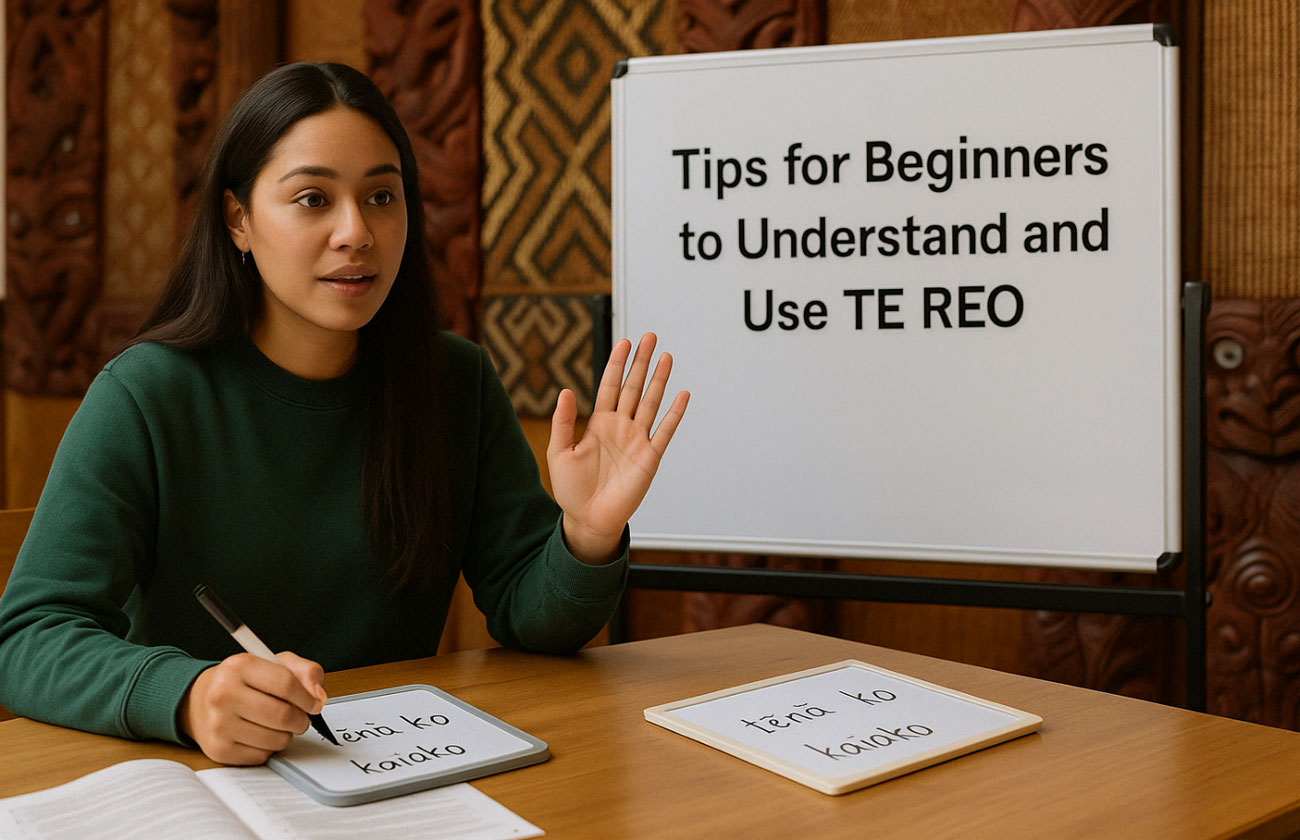
Understanding and using Te Reo Māori as a beginner involves consistent practice and engagement with the language. Start by learning basic greetings and everyday phrases. Practice pronunciation by listening to native speakers and repeating words and phrases aloud. Immerse yourself in the language by listening to Māori music, radio, and podcasts. Attend community events or language groups to practice conversational reo. Don’t be afraid to make mistakes; learning a new language involves trial and error. Embrace the cultural context by learning about tikanga Māori and Te Ao Māori. Building a strong foundation in basic grammar and vocabulary will enhance your ability to understand and use Te Reo Māori.
To further improve comprehension and usage, try labelling household items with Māori words and incorporating simple phrases into your daily routine. Engage with Māori language media, such as news articles and social media posts, to expand your vocabulary and understanding. Seek out opportunities to practice speaking with fluent speakers. Using flashcards and language learning apps can also aid in memorising new words and phrases. Remember that learning Te Reo Māori is a continuous process, and each interaction contributes to your language skills. By consistently practicing and engaging with the language, you can build confidence and fluency in Te Reo Māori.
What is the Importance of Māori Language Revitalisation?
Understanding the Cultural Significance of Te Reo Māori
The revitalisation of Te Reo Māori is paramount to preserving the cultural identity of Aotearoa. Te Reo Māori is not merely a language; it is a repository of Māori knowledge, history, and worldview. It embodies tikanga Māori, whakapapa, and the spiritual connection to the land. The language carries the whakaaro Māori, providing a unique lens through which to understand the world. Without the revitalisation efforts, there is a risk of losing invaluable cultural heritage. The use of Te Reo Māori strengthens the connection between generations, ensuring that cultural practices and traditions are passed down. This revitalisation contributes to a deeper understanding of Te Ao Māori, enriching the cultural landscape of New Zealand.
For many speakers of Te Reo Māori, the language is intrinsically linked to their sense of belonging and identity. The revitalisation process is crucial for empowering Māori communities and fostering a sense of pride. By learning Te Reo Māori, individuals gain a deeper understanding of their cultural roots and contribute to the ongoing preservation of their heritage. The language serves as a vital tool for communicating cultural values and beliefs. Through initiatives such as Te Reo Māori courses and language programmes, the revitalisation effort aims to increase the number of competent speakers of Te Reo Māori, ensuring its continued use and relevance.
Role of Whānau in Language Revitalisation
Whānau play a pivotal role in the revitalisation of Te Reo Māori. The family unit serves as a primary environment for language transmission, where children learn Te Reo Māori through everyday interactions. Encouraging the use of Te Reo Māori within the home creates a natural and immersive learning environment. Parents and grandparents who use Te Reo Māori contribute significantly to the language development of younger generations. Whānau can support language learning by incorporating Māori words and phrases into daily conversations, reading Māori stories, and singing waiata. The involvement of whānau in language revitalisation ensures that Te Reo Māori remains a living language, used and valued within the community.
Whānau can participate in community-based language programmes and wānanga. These initiatives provide opportunities for families to learn and practice Te Reo Māori together, reinforcing language skills and cultural knowledge. Creating a bilingual environment within the whānau fosters a strong connection to Māori culture and strengthens cultural identity. By actively promoting Te Reo Māori within the home, whānau contribute to the broader revitalisation efforts, ensuring the language thrives for future generations. The role of whānau is critical in creating emerging speakers of Te Reo, and helping them on their reo journey.
Impact of Te Ao Māori on Language Learning
Te Ao Māori significantly impacts the teaching and learning of Te Reo Māori. Understanding and incorporating Māori cultural values and practices enriches the language learning experience. Learning Te Reo Māori is not just about acquiring vocabulary and grammar; it’s about understanding the cultural context in which the language is used. Te Ao Māori emphasises the interconnectedness of all things, the importance of whakapapa, and the respect for tikanga. Language programmes that integrate Te Ao Māori create a holistic learning environment, fostering a deeper understanding of the language and its cultural significance. This approach ensures that learners not only speak Te Reo Māori, but also understand and appreciate its cultural depth.
Te Ao Māori influences the pedagogical approaches used in language teaching. Kaiako often incorporate storytelling, waiata, and traditional practices into their lessons, making learning engaging and culturally relevant. Learning Te Reo Māori within a Te Ao Māori framework encourages learners to develop a strong connection to their cultural heritage. This approach also promotes a sense of whānau and community within the learning environment, creating a supportive and collaborative atmosphere. By embracing Te Ao Māori, language learners develop a more profound understanding and appreciation of Te Reo Māori, contributing to its revitalisation and continued use.
What Qualifications Can You Earn in Te Reo Māori?
Overview of Levels in Te Reo Māori Language Courses
Te Reo Māori language courses are structured to cater to learners at various levels, from beginner to advanced. These levels typically progress from foundational knowledge to advanced proficiency, allowing learners to build their language skills systematically. Beginner courses introduce basic Māori words and phrases, fostering an awareness of Te Reo Māori and its cultural context. As learners advance, they delve into more complex grammar, sentence structures, and conversational reo. Level 3 and level 4 courses focus on developing a deeper understanding of Te Ao Māori, including tikanga Māori and whakapapa. Level 5 courses are designed for those aiming for advanced understanding of the language, enabling them to articulate their ideas and hold meaningful dialogues using Te Reo Māori. These structured levels ensure that learners can progress at their own pace, building a solid foundation in the indigenous language of Aotearoa.
For individuals seeking a comprehensive learning experience, courses are delivered through various methods, including wānanga, tertiary institutions, and online platforms. These courses often incorporate a mix of online and face-to-face learning, providing flexibility and accessibility. Programmes are intended for learners who understand and use Te Reo at different stages, from those who want to learn some basic Māori language to those who seek advanced understanding. The goal is to empower language learners to use Te Reo Māori in familiar everyday contexts and contribute positively to the development and revitalisation of the language.
Diplomas and Certificates in Te Reo Māori
Diplomas and certificates in Te Reo Māori provide formal recognition of language proficiency and cultural knowledge. These qualifications are designed to equip learners with the skills to understand and use Te Reo Māori in various settings. A certificate in Te Reo Māori typically focuses on foundational language skills and cultural understanding, providing a solid base for further study. Diplomas, on the other hand, offer a more comprehensive education, covering advanced grammar, conversational reo, and cultural practices. These programmes often include practical components, such as learning to recite karakia for different settings and sing appropriate mōteatea. Graduates of diploma programmes are often competent speakers of Te Reo Māori, capable of contributing to the revitalisation of the language.
These qualifications serve as valuable credentials for those seeking careers in Māori language education, cultural preservation, or community development. They demonstrate a commitment to the language and culture, enhancing employment opportunities in relevant fields. Many tertiary institutions and wānanga offer these qualifications, providing structured pathways for learners to achieve their language goals. These programmes are intended for emerging speakers and those who want to immerse themselves in the language and culture. The aim is to produce competent speakers of Te Reo Māori who can contribute to the ongoing use of the language in Aotearoa.
Tohu and Other Recognition for Māori Language Proficiency
Tohu and other forms of recognition acknowledge Māori language proficiency, validating an individual’s language skills and cultural knowledge. Tohu, in particular, signifies a level of expertise in Te Reo Māori, often awarded by Māori language authorities or community organisations. These recognitions validate the time and effort invested in learning the language, providing a sense of achievement. Other forms of recognition may include awards for language excellence, certificates of proficiency, or acknowledgement from community leaders. These recognitions are important for promoting the revitalisation of Te Reo Māori, encouraging individuals to continue their reo journey.
Formal recognition can open doors to opportunities in Māori language teaching, translation, or cultural consultancy. It demonstrates a commitment to the language and culture, enhancing credibility in relevant fields. These forms of recognition also contribute to the broader awareness of Te Reo Māori, highlighting the importance of language revitalisation. By acknowledging and celebrating language proficiency, communities encourage the continued use and development of Te Reo Māori. This formal recognition contributes to the growth of speakers of Te Reo Māori, and helps validate the learning of the indigenous language of Aotearoa.
What Resources Are Available for Learning Te Reo Māori?
Online Courses and Their Benefits
Online courses have revolutionised language learning, offering accessibility and flexibility for those seeking to learn Te Reo Māori. These digital platforms provide structured learning environments, often incorporating interactive lessons, audio pronunciations, and visual aids. Learners can progress at their own pace, fitting study into their busy schedules. Online learning is particularly beneficial for those in remote areas or with limited access to traditional wānanga. Reo Ora, as an online course, provides an excellent starting point for learners of all levels. Online resources frequently offer a mix of online and interactive elements, enhancing engagement and retention. These courses are intended for learners who want to learn some basic Māori language, progressing to those wanting an advanced understanding. The goal is to provide a comprehensive learning experience, fostering language skills and cultural awareness.
For those who desire to immerse themselves in the language, online platforms can provide a valuable supplement to other learning methods. These resources often include conversational reo practice, allowing learners to speak Te Reo Māori with confidence. Many online programmes incorporate cultural elements, such as tikanga Māori and Te Ao Māori, enriching the learning experience. These courses are delivered in a way that allows for self directed learning, and often include online communities. This enables the learners to share their reo journey with other language learners.
Books and Apps to Learn Te Reo Māori
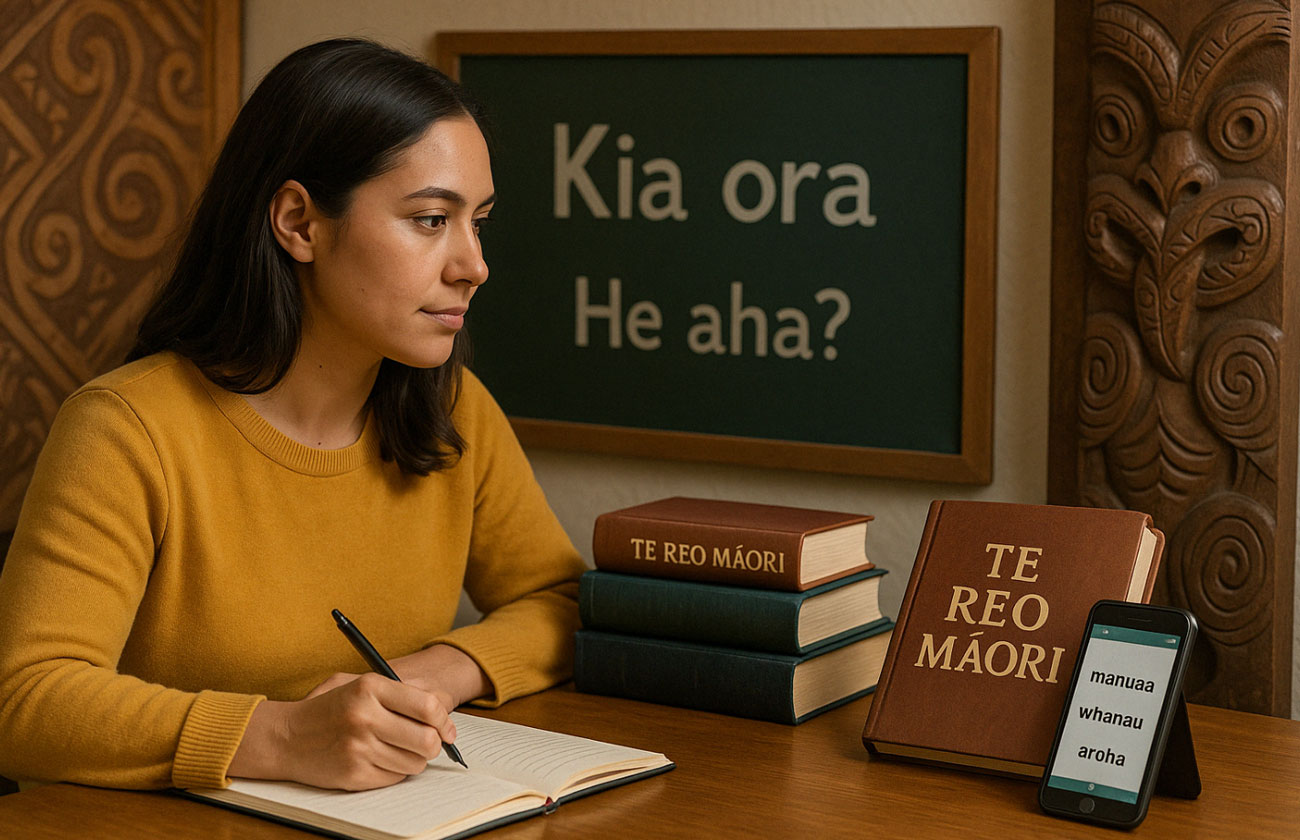
Traditional books and modern apps offer valuable resources for learning Te Reo Māori. Books provide structured lessons, grammar explanations, and vocabulary lists, catering to various learning styles. Bilingual dictionaries and phrasebooks are essential tools for building vocabulary and understanding sentence structures. Apps offer interactive learning experiences, often incorporating games, quizzes, and audio pronunciations. These digital tools make language learning engaging and accessible, particularly for those who prefer visual and auditory learning. Many apps focus on conversational reo, helping learners to speak Te Reo Māori in everyday situations. These resources are designed to supplement formal instruction or serve as standalone learning tools.
Children’s books and illustrated dictionaries can be excellent resources for beginners, providing simple language and engaging visuals. Books that focus on tikanga Māori and whakapapa offer cultural context, enhancing the learning experience. Many apps also include cultural elements, such as waiata and karakia, providing a holistic approach to language learning. These resources are designed to help build a strong foundation for learning the indigenous language of Aotearoa.
Community Wānanga and Events for Language Practice
Community wānanga and events provide invaluable opportunities for language practice and cultural immersion. These gatherings offer a supportive environment where learners can interact with fluent speakers and practice conversational reo. Wānanga often incorporate cultural activities, such as learning waiata, haka, and tikanga Māori, enriching the learning experience. These events provide opportunities to learn to recite karakia for different settings, and sing appropriate mōteatea. Community events also foster a sense of whānau and belonging, encouraging learners to embrace their reo journey. These events are intended for emerging speakers of Te Reo, to help them become competent speakers of Te Reo.
Language groups and clubs provide regular opportunities for conversational practice and cultural exchange. These gatherings often include activities such as storytelling, games, and cultural workshops, making language learning engaging and enjoyable. Immersion in the language through community events helps to build confidence and fluency. These events are designed to help build an awareness of Te Reo Māori, and promote the revitalisation of the language. These events also provide a place for people to learn to articulate their ideas and hold meaningful dialogues using Te Reo Māori.
Conclusion
Embarking on a reo Māori journey is a deeply enriching experience, offering a connection to the indigenous language of Aotearoa and its vibrant cultural heritage. The revitalisation of Te Reo Māori is a collective effort, and each learner contributes to the ongoing preservation of this invaluable language. Whether you’re a beginner wanting to learn some basic Māori language, or an advanced learner seeking to articulate your ideas and hold meaningful dialogues using Te Reo Māori, there are numerous resources available. From online courses like Reo Ora, to community wānanga and tertiary programmes, the opportunities for learning are diverse and accessible. Understanding and awareness of Te Reo Māori not only enhances language skills, but also fosters a deeper appreciation for tikanga Māori, whakapapa, and Te Ao Māori.